Little Sheds, Big Egos: The Painted Potting Palaces of Britain’s Allotments
There is a particular moment on a British allotment site, somewhere between the last leek and the first flask of tea, when the sheds start to look less like storage and more like statements. A shed is meant to be practical: a place for canes, creosote and quiet swearing at slugs. Yet give a gardener six square feet and a spare afternoon, and sooner or later it becomes a tiny painted kingdom with opinions.
This is a photo tour of those kingdoms — not the manicured show gardens, but the wonky pagodas, seaside-hut fantasies and fairy-light grottoes that appear behind raspberry nets on plots from Bristol to Fife. They are free to look at, brilliant to photograph and, in their own stubborn way, some of the most honest portraits of British character you will find outdoors.
The shed as self-portrait
A shed does not have a face, but it has a tell. The way the door is painted, the angle of the nameplate, the fact that someone has nailed a plastic owl to the roof “for the pigeons” — these are clues. Allotment sheds are not designed by committees. They are improved by people with a spare tin of Cuprinol and a point to prove.
You can read a plot-holder from twenty paces. There is the retired engineer’s shed, all right angles and labelled hooks. There is the romantic’s shed, draped in bunting and pretending it is on the Isle of Wight. There is the shed that has been “temporarily” propped up since the 1990s with a scaffold pole and a profound belief in luck. Photograph them as you would a portrait: wait for the owner to leave, then look for the details that give the game away.
Pagodas, beach huts and other planning loopholes
British allotment sheds operate in a happy grey area of planning permission. Strictly speaking, they are meant to be modest. In practice, they are whatever the plot-holder can carry, borrow or convince a mate to help lift over a fence. This is how a shed in Sheffield ends up with a pagoda roof, and how a plot in Norfolk acquires a facade that looks suspiciously like a beach hut that has lost its sea.
On a good site you will find sheds dressed as Alpine chalets, cricket pavilions and one memorable structure that appears to be a conservatory in denial. None of this is grand architecture. That is the joy. These are buildings made from salvage, ambition and a shed-load of exterior gloss. They photograph best when you stop pretending they are important and start enjoying them as folk art with a door handle.
Fairy lights, gnomes and the politics of the plot
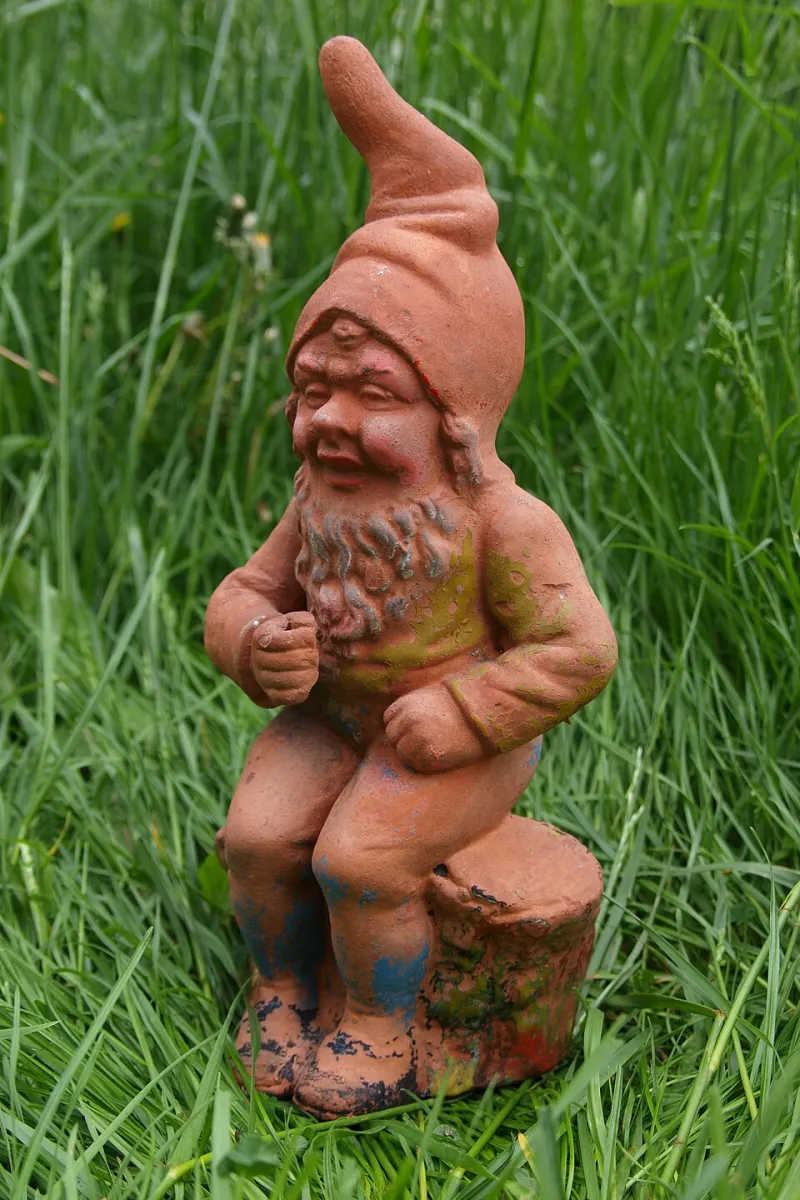
Allotments are friendly places with long memories. The shed is where that friendliness becomes visible: a kettle on a shelf, a chair for a visitor, a sign that says “Help Yourself” next to a glut of courgettes. It is also where the quieter politics of the plot are conducted — the fiercely neat boundary, the nettle patch left as a wildlife corridor, the gnome positioned to face a rival’s compost bin.
For a photographer, this is the good stuff. Look for the tension between order and chaos: a perfect row of terracotta pots beside a tangle of blue water pipe; a hand-painted sign promising “Fresh Eggs” on a shed that clearly contains no hens. The humour is rarely loud. It is in the mismatch between ambition and execution, which is also, let’s be honest, the story of British gardening.
How to shoot a shed without being a pest
Allotment sites are private spaces with public-looking gates. Always ask before you wander in, and ask the site secretary rather than assuming a friendly wave counts as permission. If someone is working, say hello and explain what you are doing. Nine times out of ten you will get a tour, a story about the shed’s previous life as a chicken coop and possibly a marrow you did not request.
Respect the no-go areas. Do not photograph people’s tools, children or the inside of sheds without a clear yes. Avoid making the plot look like a museum of poverty; these are working gardens, not set dressing. And never move anything. A wonky bucket is part of the composition.
Late light and the art of waiting
Late afternoon is the shed photographer’s friend. In autumn and winter, the low sun rakes across corrugated roofs and picks out every brushstroke, every rust bloom, every defiant bit of gingerbread trim. Go an hour before sunset, when the light turns amber and the shadows get long enough to hide a wheelbarrow.
Look for sheds facing west, or find a gap in a hedge that lets the light hit a painted door. Overcast days are not a disaster: they flatten the scene, which can make a shed’s colours sing in a quiet, deadpan way. Avoid harsh midday sun unless you want the shed to look like a suspect in a police lineup. And bring a cloth to wipe your lens — allotments are generous with mud.
The tiny kingdom next door
Britain’s allotment sheds are not famous. They do not have gift shops or interpretative panels. They have a bloke called Dave, a tin of paint and a belief that a shed can be a seaside cottage if you squint. That is precisely why they are worth photographing: they are ordinary, eccentric and utterly uncurated.
So next time you pass a allotment gate, look over it — politely, and preferably with permission. Somewhere inside is a shed with a pagoda roof, a fairy-light halo and a nameplate that says “The Ritz.” It is not the Ritz. It is better: it is a tiny painted kingdom, and it is free to visit in the late-afternoon light.