Silent Sentinels: The Cast-Iron Eccentrics Guarding Britain’s Pavements
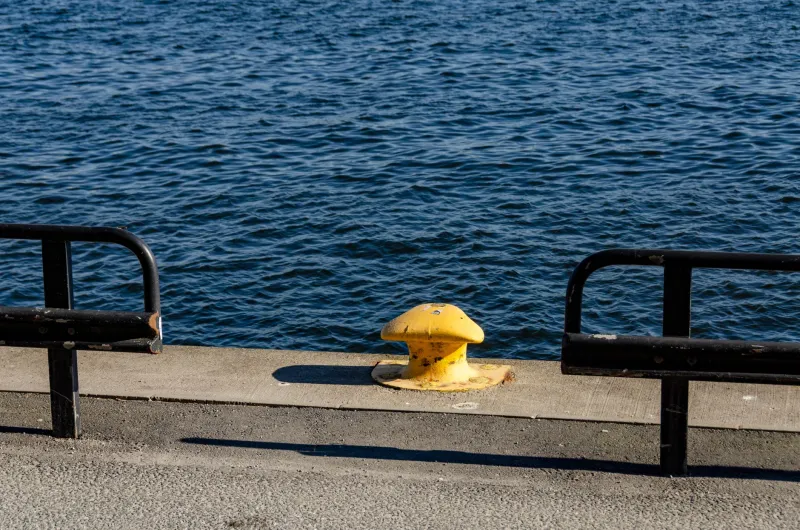
There are two kinds of people on a British high street. The first is looking at the shop windows, the bus timetable or the suspiciously confident pigeon. The second is crouching by the kerb, muttering, “No, that one’s got a dolphin on it,” while pedestrians flow around them like water around a particularly eccentric rock.
This article is for the second kind. Britain’s bollards — those short, stout posts that stop cars mounting the pavement — are one of the great overlooked branches of public sculpture. They are cast-iron characters, municipal jokes, historical leftovers and, occasionally, the only interesting thing on a stretch of road otherwise devoted to vape shops and bin bags. For a photographer, they are a gift: small, stationary, free and almost always wearing a better expression than the average commuter.
The cannon that never fired
Start at the docks. Many port towns and riverside cities have bollards shaped like old cannon, often salvaged from ships or fortifications and repurposed as traffic guards. Some are genuine historical pieces; others are cheerful Victorian copies made when a council wanted the romance of the sea without the inconvenience of actual artillery. Either way, they are magnificent. A cannon bollard has heft, shadows and a certain grumpy dignity, like a retired admiral forced to work the door at a garden centre.
Local-history nuggets are part of the fun. In some places, the cannon were brought ashore as ballast or surplus; in others, they mark the edge of old quays long since filled in. You do not need a plaque to enjoy them, but a quick look at a local heritage board can turn a row of iron tubes into a tiny drama of empire, trade and municipal recycling.
Dolphins on dry land
Then there are the promenade posts: dolphins, seahorses, pineapples, acorns, little crowns, and the occasional creature that looks like a fish designed by someone who had only had one described to them over the phone. Seaside resorts are especially good for this. A dolphin-topped bollard is a wonderfully absurd thing — a marine animal permanently beached on the pavement, holding a chain, while a seagull stands on its head and screams at a chips wrapper.
These are the bollards that reward close looking. The dolphin’s nose may be polished by generations of small children; the paint may be thick enough to soften the details; the chain may sag like a washing line. Photograph them at eye level and they become characters. Photograph them from above and they become evidence in a court case about local council spending.
The pub sentinel
Outside village pubs, you will often find the stubborn little cast-iron sentinel: a short, waist-high post with a rounded top, a ring, a finial or some unexplained knobbles. It has probably been there longer than the landlord, the car park and possibly the concept of parking itself. It is not glamorous. It is not even especially useful. But it has presence.
These are the bollards that suit the Owl’s Pics treatment best: isolate them against a pub wall, a hanging basket or a slice of wet tarmac, and they start to look like the lead character in a very short film. Give them space. Let the background do the work. A sentinel in front of a blackened stone wall is a mood. A sentinel in front of a wheelie bin is a documentary.
How to shoot a bollard without looking suspicious
Practical notes for busy 2026 high streets: go early. Not because bollards are shy, but because pavements are easier to work on before the delivery vans, school runs and determined shoppers arrive. Early light also gives cast iron a lovely soft sheen, and it keeps your shadow out of the frame.
Use a low angle, but not so low that you are lying in a puddle for a post that has been photographed by exactly no one since 1987. A phone at knee height is often enough. If you want the bollard to feel monumental, get close and use a wide lens; if you want it to feel like a character in a street scene, step back and let the paving, railings and shopfronts frame it.
Isolation is the main skill. Busy high streets are visually greedy: signage, bins, bollards, benches, bikes, and a man called Dave who has decided to stop dead in the middle of the pavement to check his lottery numbers. Look for clean backgrounds — a plain wall, a strip of sky, a painted door — and use shallow depth of field if you have it. If the background is a mess, embrace it and make the mess part of the story. A bollard surrounded by crisp packets is still a bollard surrounded by crisp packets, but at least it is honest.
Be a good pavement citizen. Do not block kerbs, crossings or shop entrances. Do not photograph strangers’ faces without asking. And do not lean on the bollard: some of them are older than they look, and some of them are held together by paint and optimism.
A small gallery of very small sculptures
The joy of bollard-spotting is that it turns an ordinary walk into a scavenger hunt. Cannon, dolphins, pineapples, rings, finials, odd little faces and posts worn smooth by a century of hands — Britain’s pavements are full of them. They are not in galleries. They do not have opening times. They are just there, doing a small job with unreasonable character.
So next time you are out with a camera, give the kerbside a second glance. The cast-iron eccentrics are waiting. They will not smile, because they cannot, but they will hold still for as long as you need.