Dial-a-Display: Britain's Red Phone Boxes Are Now Tiny Libraries, Galleries and One Glitterball Grotto
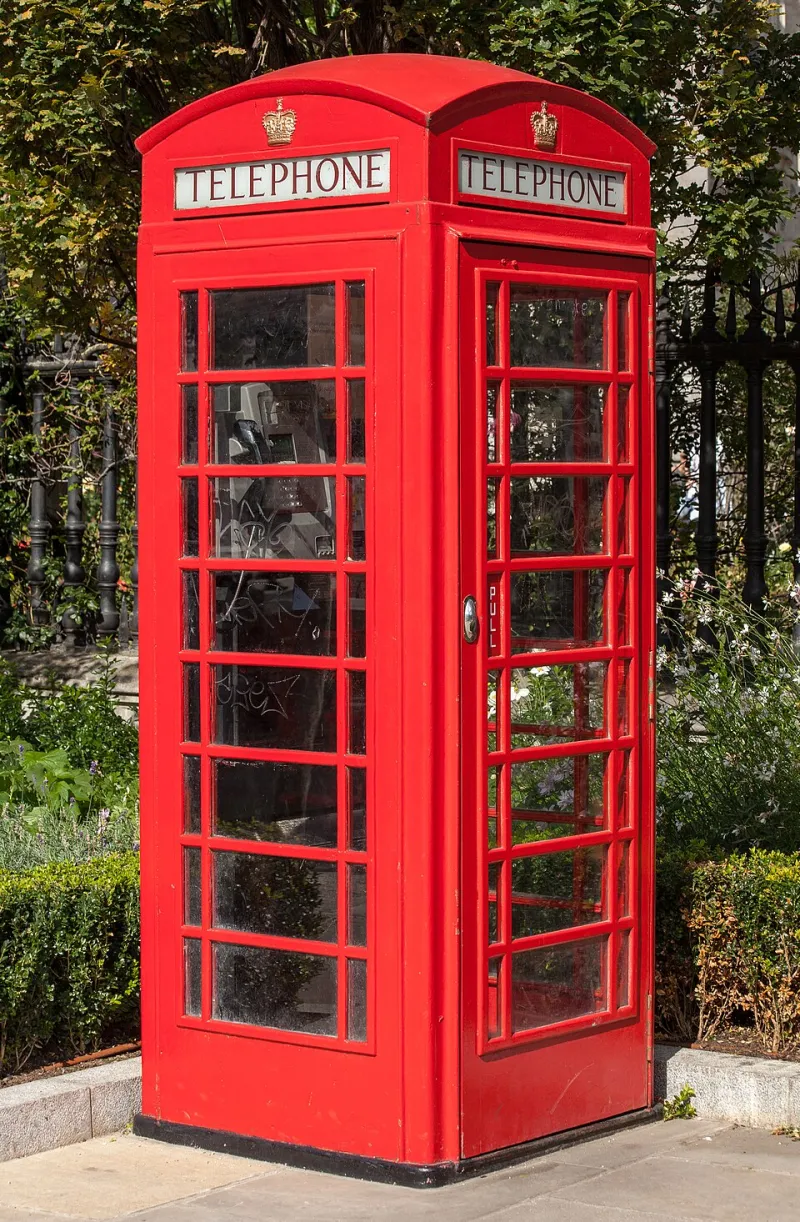
Photo: Christoph Braun, CC0, via Wikimedia Commons
The red phone box is supposed to be a museum piece. A symbol. A thing you photograph with a sad little caption about how nobody rings anyone anymore. But on a damp Saturday in Somerset, I found one stuffed with paperback thrillers, a visitors' book and a handwritten sign that said, very firmly, no courgettes. Britain's phone boxes are not dead. They have simply changed jobs.
The Box That Became a Village Living Room
Westbury-sub-Mendip in Somerset is often credited with kick-starting the phone box library idea, and you can see why. The box still has the old red frame and the little crown, but inside it is a tiny, weatherproof community centre. A volunteer called Maureen tells me the rules are simple: take a book, leave a book, and do not treat the shelf as a compost heap. The box is open all hours, which means it is also a late-night confession booth for people who have run out of crime novels.
For photographers, this is the key shift. Do not shoot the box as an empty icon. Shoot it as a room. Get close enough to read the labels. Include the person crouching to reach the bottom shelf. Wait for someone to arrive with a carrier bag of Jacqueline Wilson and a face full of purpose.
Art in a Very Small Room
Several boxes have become miniature galleries, and the best ones are charming precisely because they are not precious. A box in a market town might show watercolours of local bridges one month and a primary school's portrait of a cat the next. The hanging system is often Blu-Tack. The private view is often a bloke called Dave with a flask. The visitor's book is often more entertaining than the art.
This is where your lens should get nosy. Photograph the exhibition title taped to the glass. Photograph the condensation fighting the acrylic. Photograph the way a passer-by stops, looks, and then pretends they were only checking their phone. The phone box gallery is a tiny stage, and the street is the audience.
The Defib Box and the Disco Box
Not every repurposed box is whimsical. Many now hold defibrillators, and that changes the etiquette. They are not photo booths. Do not pose in front of them, do not rearrange the contents, and do not obscure the instructions with your artistic silhouette. If you are shooting one, keep a respectful distance and make sure the location is still obvious in the frame. A pretty picture is not worth confusing an emergency.
Then there is the other end of the scale: the phone box that became a tiny nightclub. I have seen photos of one with a glitterball, a Bluetooth speaker and a capacity that must be roughly four people and one very optimistic coat. It was reportedly booked for birthdays, leaving dos and at least one wedding anniversary. It is absurd. It is also perfect. Shoot it with the door open, let the coloured light spill onto the pavement, and resist the urge to make it look moody. It is not moody. It is a downlit cupboard with delusions of Studio 54.
How to Shoot a Phone Box Without the Sepia Filter
First, avoid the obvious clichés. No heavy vignettes. No fake fog. No caption about a lost age of communication. The box is not a ghost. It is a working shelf with a roof.
Second, use the weather. Overcast days are your friend because red paint loves soft light. Wet pavements are even better, because the reflection doubles the red and makes the box look plugged into the street. If the sun is out, go early or late and let the shadows do the compositional work.
Third, frame the context. A phone box library is not just a box; it is the wall beside it, the noticeboard, the dog waiting outside, the bus stop that explains why someone is standing there. Use a 35mm or 50mm lens, or just your phone at normal magnification. Step back. Let the village in.
Fourth, ask before you photograph people. Most volunteers are delighted, but they are also busy being a library. A quick 'mind if I take a picture of the box while you're sorting?' is polite and usually gets you a better picture than a sneaky long lens from across the green.
Fifth, do not ignore the label. The hand-painted sign, the laminated opening hours, the faded sticker from the parish council: these are the fingerprints. They tell you that someone has cared for this box, year after year, in all weathers. That is the story.
A Small Plea Before You Go
If you visit, buy a book or leave one. Put a coin in the honesty box if there is one. Do not treat the box as a bin, a smoking shelter or a place to abandon a mattress. And if you find a disco box mid-bop, knock first. Four people is a tight dance floor.
Owl's Pics will keep photographing these little red rooms because they are funnier, stranger and more alive than the postcard version. They are Britain's smallest cultural venues, and they are open right now.